%20logo%20Side%20View.png)
How to Verify the Authenticity of Gold Jewellery: Hallmarks, Assays and Certification
- Hong Wid

- Apr 16
- 3 min read
Updated: Apr 18

Verifying the authenticity of gold jewellery is essential to protect yourself from fraud, ensure you are paying for the correct value, and safeguard your ability to resell or insure your piece in the future.
Whether you are purchasing fine jewellery or investing in high-value pieces, understanding how to identify genuine gold comes down to three key pillars: hallmarks, assays, and trusted certifications.
👉 If you are considering gold as part of wealth preservation, you may also want to understand how different forms of gold perform: Gold Jewellery and Gemstones as an Inflation Hedge: What You Need to Know
Understanding Gold Purity and Markings

Gold jewellery is rarely pure gold. Instead, it is measured by its gold content using two systems.
Karat (Carat) vs Fineness
Karat indicates the proportion of gold in a piece:
24K is pure gold
18K is 75% gold
14K is approximately 58.3% gold
Fineness expresses this in parts per thousand:
999 equals 24K
750 equals 18K
585 equals 14K
Common Marks to Look For
When examining jewellery, check for:
Karat marks such as 24K, 22K, 18K, 14K, 10K, 9K
Fineness marks such as 999, 916, 750, 585, 417, 375
Maker’s or brand mark
Assay office or country mark
Metal identifiers such as “Au”
These markings are typically found inside rings, on clasps, earring posts, or pendant bails. Use a magnifying tool for clarity.
Official Hallmarks and What They Mean

Hallmarks are one of the most reliable indicators of authenticity. They may include:
Fineness mark
Assay office symbol
Maker’s mark
Date or standard mark
Examples by Region
The United Kingdom uses a structured hallmarking system, including assay office marks
European countries often require official hallmarking
India uses BIS hallmarking for certified gold
United States relies more on karat marks and manufacturer credibility
Malaysia typically includes fineness marks such as 999, 916, 750, or 375, often accompanied by a company logo
Official hallmarks are applied after testing, making them a strong indicator of authenticity.
Assays and Assay Certificates
An assay is a professional test that determines the metal’s true composition.
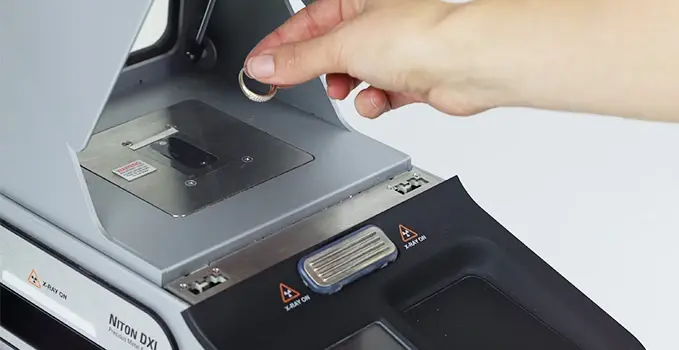
Types of Assay Testing
XRF Testing | Fire Assay |
Non-destructive and fast | Highly accurate |
Measures surface composition | Considered the gold standard |
Commonly used in jewellery shops | Requires material sampling, so rarely used on finished jewellery |
What an Assay Certificate Includes
Assay certificates are especially important for high-value purchases or when markings are unclear. Here are some items that would be included in an assay certificate:

Item description
Weight and purity level
Testing method
Laboratory details
Certification date and verification
Trusted Certifications and Gem Labs
If your jewellery includes gemstones, certification becomes even more important.

Recognised Gem Laboratories
GIA (Gemological Institute of America)
AGS
IGI
Other accredited local laboratories
What Gem Reports Cover
For high-value jewellery, combining a metal assay and gemstone certification provides full verification. Here are items that could be covered in the report:
Stone identity
Cut, clarity, and colour
Carat weight
Treatments or enhancements
Origin (in some cases)
Simple In-Shop Checks (Preliminary Only)
These checks can help identify obvious issues, but should not replace professional verification.
Visual inspection for consistent colour and craftsmanship
Magnet test as gold is non-magnetic
Weight and density feel as gold is heavier than most metals
Basic chemical tests handled by professionals
XRF scanning when available at reputable stores
Where to Get Professional Verification
For complete assurance, consider:
Authorised assay offices or government bodies
Independent ISO-accredited testing labs
Reputable jewellers with verification tools
Certified gemological laboratories
Always ensure documentation is provided.
Record Keeping and Documentation
Maintaining proper records protects your purchase long-term, you must keep:
Receipts and invoices
Close-up photos of hallmarks
Assay and gem certificates
Any correspondence related to the purchase
This documentation improves resale value and simplifies insurance or verification processes.
Final Thoughts
Verifying gold jewellery is not just about confirming authenticity — it is about protecting your investment, ensuring transparency, and maintaining long-term value.
By understanding hallmarks, requesting proper assays, and relying on trusted certifications, you can make confident and informed purchasing decisions.
Our Promise at Unicorn Diamond International, Malaysia
At Unicorn Diamond International, we believe that every piece of jewellery should carry both meaning and value. While jewellery may not serve as the most efficient financial hedge compared to bullion, it can still be a lasting store of personal and intrinsic worth when crafted with intention.
Our approach focuses on:
High-quality materials with carefully selected gold purity
Transparent guidance so you understand what you are purchasing
Timeless designs that hold both emotional and long-term value
We are committed to helping you make informed decisions, whether you are buying for a special moment, a legacy piece, or long-term appreciation. For more of our collections, visit our portfolio. If you are looking for a special ring for the special someone, feel free to contact us.
Unicorn Diamond International Malaysia
Personalised jewellery for life’s most meaningful moments.


Comments